If you have a septic system, Septic Smart Week is the perfect reminder to give it the attention it deserves.
The short answer is this: a well-maintained septic system protects your home, your family, and the environment around you. A neglected one can cause costly damage, health hazards, and harm to local waterways.
Here is everything you need to know.
What Is Septic Smart Week?
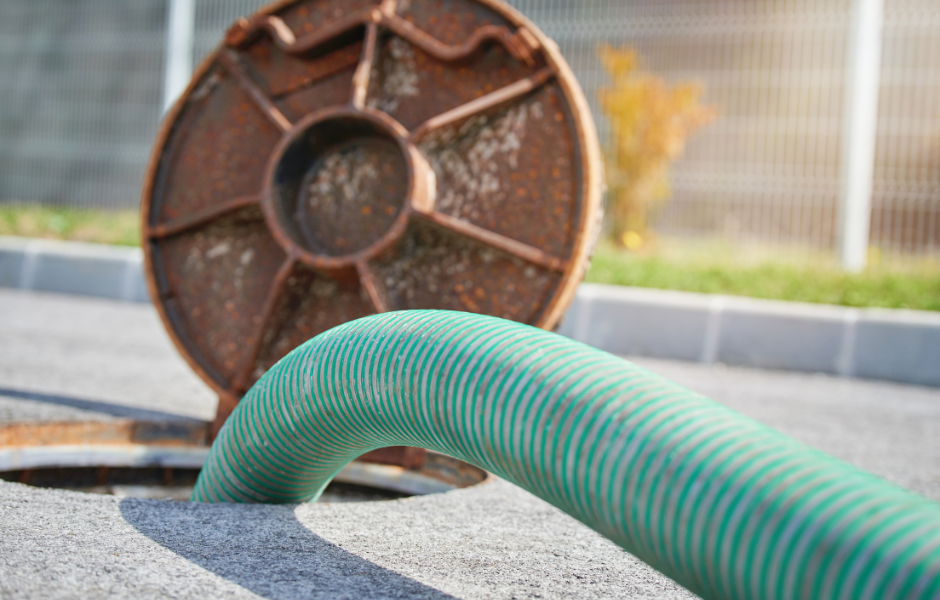
Septic Smart Week is a national awareness campaign that encourages homeowners with septic systems to learn how their systems work, how to maintain them properly, and how to avoid common mistakes that lead to system failure. In the Pacific Northwest, where many homes rely on septic systems rather than municipal sewer connections, this week is especially relevant.
How Does a Septic System Work?
Your septic system treats household wastewater underground. Wastewater flows from your home into the septic tank, where solids settle to the bottom and grease rises to the top. The liquid in the middle flows out to the drain field, where it is naturally filtered through the soil.
When the system is working properly, it is an effective and environmentally safe way to treat wastewater. When it is neglected, solids build up, the drain field can fail, and contaminants can leach into the soil and nearby waterways.
The Septic Smart Week Checklist
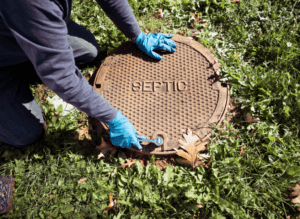
- Know Where Your System Is
Many homeowners do not know where their septic tank or drain field is located. Find out and keep a record of it. This makes inspections and pumping easier and helps you avoid driving or building over the system. - Schedule an Inspection
Septic systems should be inspected by a professional every one to three years depending on household size and usage. If you cannot remember the last time yours was inspected, now is the time. - Pump Your Tank Regularly
Most septic tanks need to be pumped every three to five years. Regular pumping removes the solids that accumulate over time and prevents them from overflowing into the drain field, which can cause expensive and difficult repairs. - Watch What You Flush
Only flush what is meant to be flushed. Wipes, even those labeled flushable, paper towels, feminine hygiene products, and household chemicals can all damage your septic system and disrupt the natural bacteria that keep it functioning. - Protect Your Drain Field
Do not park vehicles, plant trees, or build structures over your drain field. Roots and heavy weight can damage the pipes and soil that your system depends on to function properly. - Use Water Efficiently
Overloading your septic system with too much water at once can prevent solids from settling properly and push untreated wastewater into the drain field. Spread out laundry loads, fix leaking faucets, and install water efficient fixtures where possible. - Never Pour Grease Down the Drain
Grease hardens in your pipes and septic tank, causing buildup that can lead to clogs and system failure. Dispose of cooking grease in a container and throw it in the trash.
Signs Your Septic System Needs Attention
Do not wait for a backup to take action. Watch for these warning signs:
- Slow drains throughout the house
- Gurgling sounds in your pipes
- Sewage odors inside or outside your home
- Wet or soggy spots in your yard near the drain field
- Unusually green or lush grass over the drain field
- Sewage backing up into drains or toilets
If you notice any of these signs, contact a septic professional right away.
How FloHawks Can Help
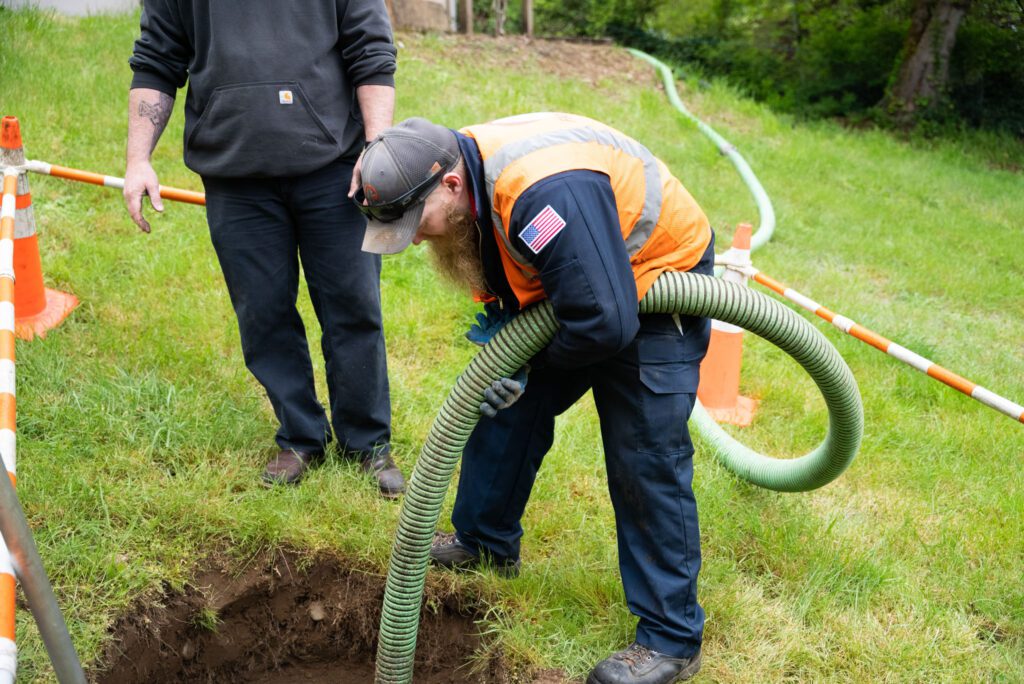
FloHawks provides professional septic inspections, pumping, and repairs across the Pacific Northwest. Our experienced technicians will make sure your system is functioning properly and help you avoid the kind of problems that turn into expensive emergencies.
Frequently Asked Questions
How often should a septic system be inspected?
Most septic systems should be inspected by a licensed professional every one to three years. Household size, water usage, and system age all affect how frequently inspections are needed.
How often does a septic tank need to be pumped?
The average septic tank needs to be pumped every three to five years. Larger households or systems with heavy use may need more frequent pumping.
What should you never put in a septic system?
Never flush wipes, paper towels, feminine hygiene products, medications, or harsh chemicals. Never pour grease, paint, or solvents down the drain. These can damage the system and disrupt the natural bacteria that keep it functioning.
What are the signs of a failing septic system?
Signs include slow drains, gurgling pipes, sewage odors, soggy spots in the yard near the drain field, unusually lush grass over the drain field, and sewage backing up into the home.
Does FloHawks service septic systems in the Pacific Northwest?
Yes. FloHawks provides septic inspections, pumping, repairs, and emergency response across the greater Puget Sound region including Pierce and King County.
This Septic Smart Week, take a few minutes to check on your system. If you are overdue for an inspection or pumping, give us a call.
📞 1-800-FLOHAWK | flohawks.com