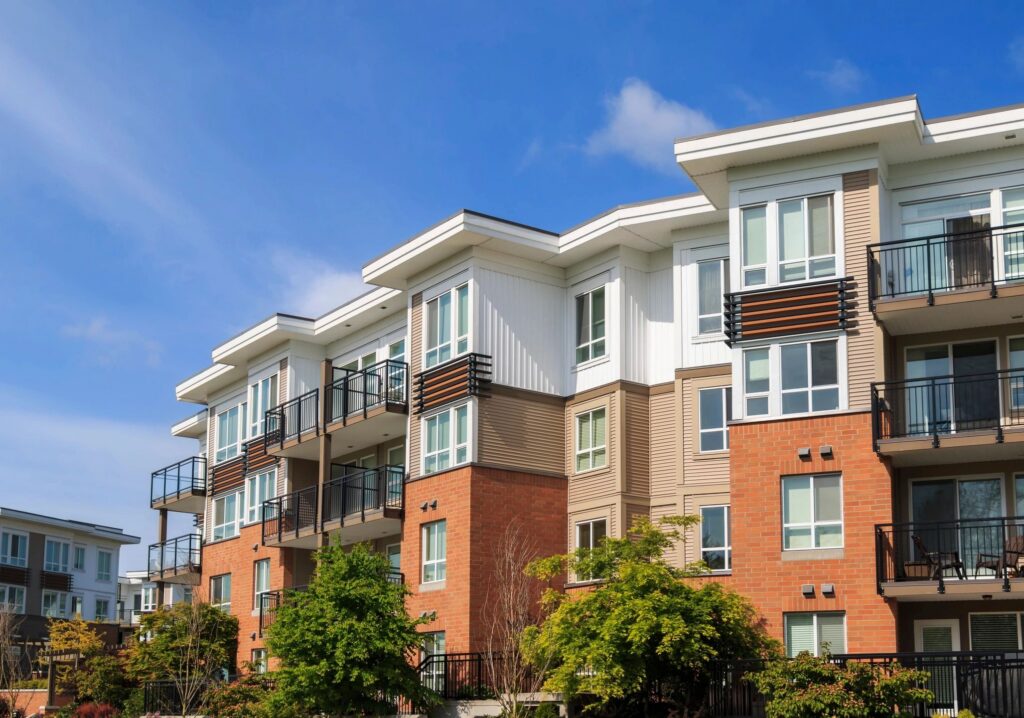
If you live in a multifamily home, there are several common plumbing issues you may be susceptible to. Understanding what these issues are and the steps you can take is the first step in protecting yourself, your family, and your home.
“I think there’s something wrong with the plumbing.” It’s a phrase nobody wants to hear in their home, but inevitably, they will. If you live in any kind of multifamily home, whether that’s a townhome, apartment, condo, or duplex, your chances of hearing this phrase increase significantly. While you can’t always prevent a problem from happening, understanding what’s going on in your pipes helps prepare you for the inevitable.
What are the most common problems?
Clogged Drains: From sinks and showers to toilets, a clogged drain is one of the most frequent problems that can arise in a multifamily home.
What causes clogged drains?
Everyday buildup, improper flushing, and aging or damaged infrastructure can all cause clogged drains. The results can vary but may include:
- Water backups and flooding
- Potential health hazards due to standing water
- Damage to floors, walls, and ceilings
Leaky Pipes: Hidden in your walls or under your cabinets, leaky pipes can be easy to miss. Since they’re tucked away, this issue can be hard to spot and may go unnoticed for months before becoming visible.
What causes leaky pipes?
Leaky pipes can be caused by a wide range of things. Some of the most common include:
- High water pressure: Multifamily homes use elevated water pressure to push water through all the pipes. When pressure exceeds a safe limit, it can put strain on the pipes.
- Corroding or aging pipes: As pipes age or corrode, their strength and ability to hold water decrease.
- Worn seals and connectors: Over time, seals and connectors deteriorate. When this happens, small gaps can form, allowing water to leak out.
Results of this issue may include:
- Water damage to the building structure
- Increased water bills
- Potential structural damage if left unchecked
Water Heater Problems: In any home, water heaters experience heavy usage. However, when you live in a multifamily home, this usage can increase significantly.
What causes water heater problems?
While townhomes and smaller multifamily homes may operate on in-unit systems, where each unit has a dedicated water heater, a more common setup is a shared or central system. This is when one large system serves the entire building. These systems feature one or a few commercial water tanks paired with commercial boilers or water heaters.
If there are issues with your water heater, results can include:
- Lack of hot water or water that only gets warm
- Unpleasant odors in your home or throughout the building
- An increased energy bill due to inefficient operation
Sewer Line Backups: Sewer lines running smoothly are critical to a home functioning safely and efficiently.
What causes sewer line backups? A sewer line backup isn’t always your fault. Oftentimes, in multifamily homes, sewer lines back up due to a variety of external issues. Causes can range from a buildup of fat and grease to improper flushing, heavy usage of the sewer system, or even tree root infiltration. When this happens, the sooner you’re able to call for help, the better, as this issue can cause:
- Sewage backups in units, creating health hazards
- Unpleasant odors throughout the building
- Potential property damage
Low or Inconsistent Water Pressure: Not only can low or inconsistent water pressure be a nuisance, but it could also be a sign of a larger issue. Some of the main reasons this problem occurs include pipe corrosion or mineral buildup, hidden leaks, an inadequate water supply for the building’s demand, or pressure loss on upper floors.
Results of these issues include:
- Difficulty keeping up with daily tasks such as showering, brushing your teeth, or washing dishes
- Possible cross-contamination in the water supply

Frequently Asked Questions
- Who pays for a clogged drain?
If the clog is caused by tenant misuse (e.g., flushing wipes or pouring grease down the drain), the tenant may be responsible. However, if it is caused by structural issues like tree roots or old, collapsing pipes, the landlord may be responsible. The best way to find out is to review your lease or speak with your landlord or building manager.
- Can a tenant shut off a main water valve?
Usually, no. In most multifamily buildings, the main shut-off valve controls multiple units or the entire building and is located in a locked utility room accessible only to management or maintenance.
- What should never go down a garbage disposal?
Coffee grounds, cooking grease, fibrous vegetables (like celery), and pasta should never go down a garbage disposal. In shared buildings, these items can quickly contribute to clogs in horizontal run-out pipes.
- What counts as a plumbing emergency?
Any issue causing active property damage or a safety hazard. This includes burst pipes, sewage backups, a complete loss of water, or having no hot water.
FloHawks offers professional plumbing services to help solve your plumbing problems quickly and expertly. From plumbing repairs and leak detection to garbage disposal services, drain cleaning, and emergency plumbing, FloHawks has you covered.
Have a plumbing issue in your home? Give FloHawks a call at 1-800-FLOHAWK.
FloHawks provides professional drain cleaning and plumbing services to help homeowners identify and address drainage problems before they become bigger headaches.
Have a recurring clog or slow drain? Give FloHawks a call at 1-800-FLOHAWK.