Preparing Your Commercial Property for Winter: A Plumbing Checklist
If you manage a commercial property in the Pacific Northwest, winterizing your plumbing system before the cold hits is one of the most important things you can do to protect your building, your tenants, and your bottom line. The good news is that most winter plumbing problems are preventable with a little preparation in the fall.
Here is what you need to do.
Why Winter Plumbing Prep Matters for Commercial Properties
Commercial properties face unique plumbing challenges in winter. Larger pipe networks, more occupants, higher water usage, and more complex systems mean there is more that can go wrong. A single burst pipe in a commercial building can cause thousands of dollars in water damage, force a temporary closure, and create liability issues for property managers and business owners.
The Pacific Northwest is no exception. While our winters are milder than much of the country, freezing temperatures do occur, and pipes in uninsulated or exterior areas are vulnerable.
Your Commercial Plumbing Winter Checklist
- Inspect and Insulate Exposed Pipes
Any pipes running through unheated spaces like parking garages, crawl spaces, storage areas, or exterior walls are at risk of freezing. Insulate these pipes before temperatures drop and check for any existing insulation that may have cracked or deteriorated since last winter.
- Check Outdoor Faucets and Hose Bibs
Disconnect and drain all outdoor hoses. Shut off the water supply to exterior faucets where possible and install insulated covers. A frozen hose bib can cause a pipe to burst inside the wall where you won’t see the damage until it’s too late.
- Inspect Your Water Heater
Cold weather puts extra demand on water heaters. Have yours inspected before winter to make sure it is operating efficiently, check for sediment buildup that can reduce heating performance, and verify the temperature setting is appropriate for increased demand.
- Test Your Backflow Prevention Devices
Backflow preventers are required in most commercial properties and are vulnerable to cold temperatures. Have them inspected and insulated before winter to avoid damage and ensure your system stays compliant.
- Check Floor Drains
Floor drains in commercial kitchens, restrooms, and utility areas can dry out in winter, allowing sewer gases to enter the building. Pour water into floor drains that are not used regularly to maintain the trap seal, and schedule a cleaning if drains have been slow.
- Inspect Your Grease Trap
Cold temperatures can cause grease to solidify faster than usual, increasing the risk of buildup and overflow. If your grease trap is due for a cleaning, schedule it before winter to avoid a backup during your busiest season.
- Check Your Septic System
If your commercial property uses a septic system, fall is the ideal time for an inspection and pumping before the ground freezes. Frozen ground makes septic service more difficult and more expensive, so getting ahead of it now saves time and money.
- Locate and Label Your Shut-Off Valves
Every person responsible for your property should know where the main water shut-off valve is and how to use it. In a plumbing emergency, getting to the shut-off quickly can prevent thousands of dollars in damage. Make sure valves are clearly labeled and accessible.
- Inspect Sump Pumps
If your property has a sump pump, test it before winter to make sure it is functioning properly. A failed sump pump during a wet Pacific Northwest winter can lead to significant flooding and water damage.
- Schedule a Professional Plumbing Inspection
The best thing you can do before winter is have a licensed plumber walk through your property and identify vulnerabilities before they become emergencies. A professional inspection is a small investment compared to the cost of emergency repairs or water damage restoration.
When Should You Winterize Your Commercial Plumbing?
Ideally, you should complete your winterization checklist by late October or early November before Pacific Northwest temperatures consistently drop below freezing at night. Don’t wait for the first freeze to start, by then it may already be too late to prevent damage.
How FloHawks Can Help
FloHawks provides comprehensive commercial plumbing services across the Pacific Northwest, including winterization inspections, grease trap cleaning, septic pumping, drain cleaning, water heater service, and emergency plumbing response. We work around your schedule to minimize disruption to your operation.
If your commercial property is due for a fall plumbing inspection, contact FloHawks today.
📞 1-800-FLOHAWK | flohawks.com
Frequently Asked Questions
How do I winterize a commercial plumbing system?
Winterizing a commercial plumbing system involves insulating exposed pipes, draining outdoor faucets and hose bibs, inspecting and servicing water heaters, testing backflow prevention devices, cleaning floor drains and grease traps, inspecting the septic system, and scheduling a professional plumbing inspection before temperatures drop.
What temperature do commercial pipes freeze?
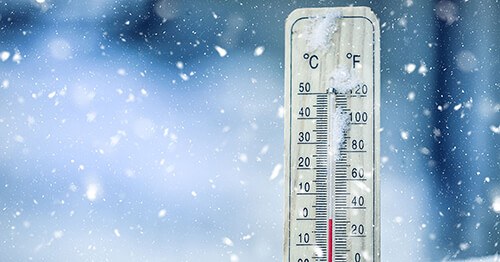
Pipes can begin to freeze when temperatures drop below 32 degrees Fahrenheit, but the greatest risk occurs when temperatures fall below 20 degrees Fahrenheit for an extended period. Pipes in unheated or exterior spaces are the most vulnerable.
How often should a commercial property have its plumbing inspected?
Most commercial properties should have a professional plumbing inspection at least once a year. Fall is an ideal time for this inspection to identify and address any vulnerabilities before winter.
What happens if a grease trap is not cleaned before winter?
Cold temperatures cause grease to solidify more quickly, which can accelerate buildup in a grease trap and increase the risk of overflow and sewer line blockages. Regular cleaning, especially before winter, helps prevent costly backups and keeps your kitchen compliant.
Does FloHawks offer commercial plumbing services in the Pacific Northwest?
Yes. FloHawks provides a full range of commercial plumbing and septic services across the greater Puget Sound region, including winterization inspections, grease trap cleaning, septic pumping, and drain cleaning.