
When the weather finally warms up in Washington, most folks think about yard cleanup, garden beds, maybe dusting off the grill. But your septic system also needs a spring start-up, especially after months of rain, cold temps, and heavy use.
A little early-season attention goes a long way. Here’s what to check, what can wait, and when it’s time to call in the pros at FloHawks.
1. Start with a simple visual check
Before doing anything else, walk the area around your tank and drain field.
Look for:
Standing water or soggy patches
Unusual grass growth (bright green = too much liquid sneaking out)
Settling soil or dips
Any lingering sewer odor
If something looks off, it’s usually an early clue your system needs an inspection, especially if it’s been a while since a technician last opened the lids.
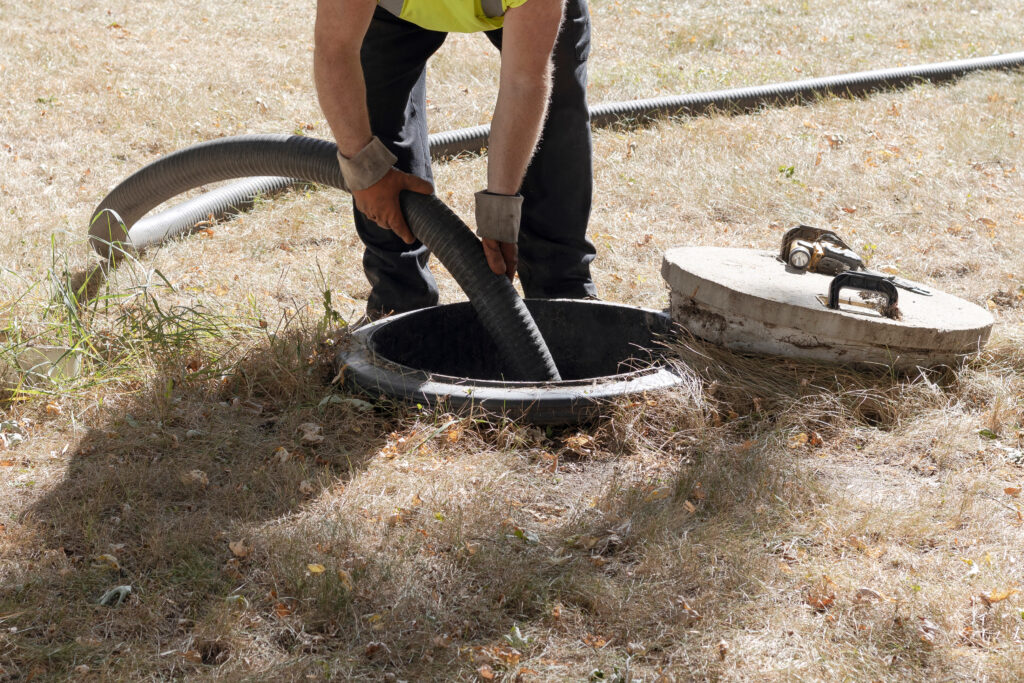
2. Spring is the best time for a septic tank inspection
Cold weather can hide problems, and spring rain can reveal them.
A proper septic tank inspection checks:
Sludge and scum levels
Condition of baffles
Tank structure
Filters and flow
Drain field performance
If it’s been 3–5 years since your last pumping, or your tank is nearly full, a spring appointment keeps you ahead of trouble. FloHawks will tell you honestly if you need service or if you’re good to go for another season.
3. Consider scheduling pumping before summer
Warm weather = more laundry, guests, cooking, showers, and water use.
Your septic system feels all of it.
Pumping early prevents:
Mid-summer backups
Stress on your drain field
Overflows after heavy rain
Odors creeping into the house
If you’re searching for help with septic tank pumping, spring is the ideal time — before the busy season hits.
4. Don’t forget spring filter cleaning
Many systems include an effluent filter that catches solids before they leave the tank.
If that filter clogs, you’ll get slow drains or even a backup inside the house.
Filter cleaning is quick, inexpensive, and makes a huge difference for system performance.
5. Be extra careful with spring yard projects
This is the season homeowners accidentally damage their systems without realizing it.
Avoid:
Parking or driving on the drain field
Digging new garden beds over septic components
Adding topsoil that blocks air flow
Building sheds, patios, or fire pits on or near the system
If you’re unsure where everything is, we can help locate and mark it before you start landscaping.
6. Routine spring cleaning includes septic cleaning too
While indoor spring cleaning gets all the glory, septic cleaning deserves a spot on the list. It keeps everything moving smoothly and prevents long-term damage. Even a quick service visit gives you peace of mind heading into the high-use summer months.
When To Call FloHawks
Give us a shout if you notice:
- Gurgling toilets
- Slow drains throughout the home
- Standing water around the tank
- Any kind of sewer smell
- It’s been several years since the last inspection
Need help getting your septic system ready for spring? Call 1-800-FLOHAWK or visit flohawks.com to schedule service with a FloHawks technician.